
Budgeting & Cash Flow
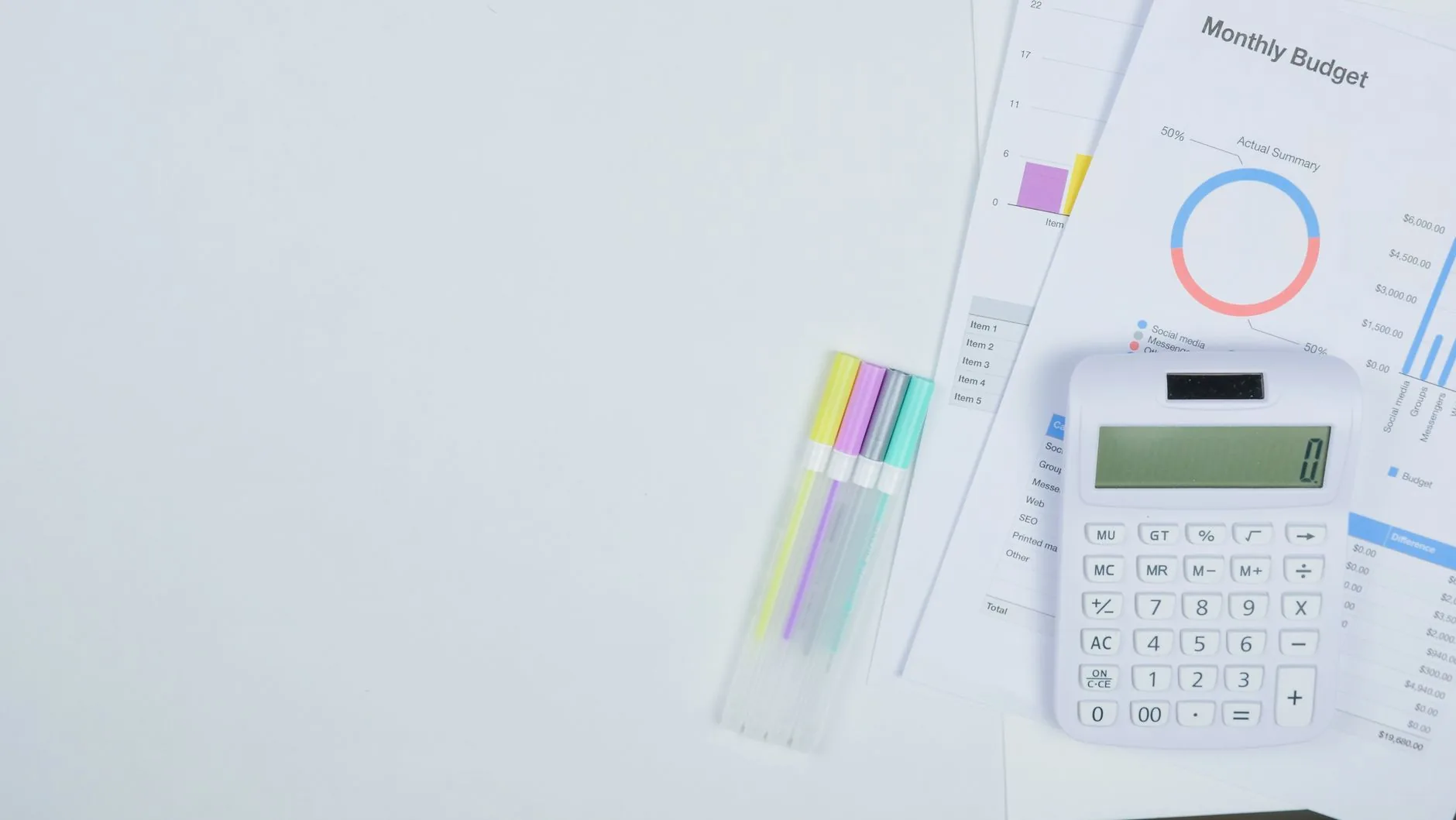
Budgeting & Cash Flow: The Foundation of Your Financial Future
In your early 20s, you might feel like money is slipping through your fingers. One moment it’s in your bank account, the next it’s gone. That’s where understanding budgeting and cash flow comes in. This section isn’t about restrictive diets for your money or complex spreadsheets. It’s about gaining clarity and control over your finances so you can afford the life you want. Whether you’re a freelancer with fluctuating income or someone looking to cut expenses quickly, the tools and strategies here will help you build a solid financial foundation.
Think of budgeting as a roadmap. It’s not about limiting yourself but about directing your money towards what matters most. Cash flow, on the other hand, is the rhythm of your money, when it comes in and when it goes out. Master both, and you’ll be well on your way to financial independence.
Understanding the Basics of Budgeting
The 50/30/20 rule is a popular starting point. It suggests allocating 50% of your income to needs, 30% to wants, and 20% to savings and debt repayment. But budgets aren’t one-size-fits-all. Zero-based budgeting, for instance, assigns every dollar a job, ensuring you’re intentional with your spending. If you’re a freelancer with irregular income, this method can help you stay on track even when your paychecks vary.
Tracking expenses is another cornerstone. You don’t need an app to do this. A simple notebook or spreadsheet can work wonders. Write down every purchase, no matter how small. This practice reveals spending patterns and areas where you can cut back. For example, you might be surprised at how much you spend on eating out or subscription services you rarely use.
Managing Irregular Income
Freelancers and gig workers face unique challenges when it comes to budgeting. Irregular income means you can’t rely on a consistent paycheck. Here, the key is to focus on cash flow. Start by estimating your average monthly income over the past six months. Use this number as your base for budgeting. Set aside money for taxes, as freelancers often don’t have taxes withheld from their paychecks.
Create a buffer fund to cover lean months. Aim to save at least three months’ worth of expenses. This safety net can help you weather income fluctuations without going into debt. When you have a windfall, resist the urge to splurge. Instead, allocate it towards your savings or debt repayment. This approach ensures you’re always prepared for the ebb and flow of freelance life.
Cutting Expenses Without Sacrificing Your Lifestyle
Cutting monthly expenses doesn’t have to mean living like a hermit. Start with the low-hanging fruit: cancel unused subscriptions, switch to a cheaper phone plan, or cook at home more often. These small changes can add up to significant savings. For example, brewing coffee at home instead of buying it daily can save you over $1,000 a year.
Negotiate bills like your internet or insurance premiums. Many companies offer discounts to loyal customers who ask. Review your bank fees too. Some banks charge monthly maintenance fees, but others offer free checking accounts with no minimum balance. Switching to a no-fee bank can save you $100 or more annually. Every dollar saved is a dollar you can put towards your financial goals.
Building a Sustainable Financial Future
Budgeting and cash flow management are not just about making ends meet. They’re about building a future where you have the freedom to pursue your dreams. Whether it’s traveling the world, starting a business, or buying a home, understanding how to manage your money is the first step. Start small, stay consistent, and watch your financial confidence grow.
- Personal Finance Philosophy and Basics
- Personal Finance Basics for English Speakers
- How to Track Expenses Without an App
- Budgeting for Irregular Income Freelancers
- Personal Finance Basics for Spanish Speakers
- How to Cut Monthly Expenses Quickly
- 50/30/20 Rule Explained for Young Adults
- Basics of Personal Finance
- Zero Based Budgeting Step by Step
- How to Create a Monthly Budget for Beginners